


The most (consciously, embodied) intense suffering I’ve ever experienced was at the Minneapolis airport.
I’d just left a meditation retreat, feeling as always both empty, hollowed-out by the experience of 10 days of practice— and, at the same time, brimmingly full; spiritually nourished, more aware than ever of the depth of my love and compassion.
Perhaps you imagine that a meditation retreat is a very cognitive experience; a sort of sit-on-the-cushion-and-tough-it-out-athon. And there certainly are moments like that. But in my (Tibetan Buddhist) tradition, it’s also an intense experience of feeling, devotion, and loving-kindness and compassion. Leaving the safe container of a retreat is always (for me, anyway), can be jarring, even after just a few days— things feel louder, bigger, sometimes overwhelming.
So, as I sat in the crowded terminal, waiting for my flight to be called, I was primed both to feel deeply, and to be intimately aware of my own experience in doing so.
I’m not sure at what moment I noticed it, or how. Maybe it was the excitement of the crowd, turning toward something that was happening overhead, or maybe I heard its cries myself. A tiny bird was flying desperately among the high-ceilinged metal rafters, crashing itself again and again into the hundreds of panes that stood between it and open air.
My heart dropped as I took it in: its swift, unerring path around the perimeter; its high, plaintive cries— and the answering cries of the birds gathered outside the windows, trying to call it home. And I did truly “take it in”— unintentionally— I felt its pain, its terror, its exhaustion, its confusion. I saw that although the flight attendants had opened the gate, the bird could not see its way out; it could only see the freedom it sought, but could never reach, through the glass that kept it prisoner.
In that moment, I was so open, unguarded, full of feral empathy: I could do nothing but feeling the complete terror and panic of this tiny animal and my own helpless despair of the situation.
What happens when we feel helpless?
What happens to you when you feel helpless? When you’re faced with another’s suffering? When you know there’s nothing you can do to improve their situation? What is called forth in us when we are faced with our own inability to help?
The scene in the MSP airport terminal that day provided a good snapshot of human strategies. Many of the humans treated it as a spectacle, “othering” the bird— they showed their children, “look at the bird!” Others— like one kindhearted flight attendant— went into problem-solving mode, crafting elaborate water and snack stations for the bird, should it choose to rest (“I bet it likes peanuts”). The gate attendants were weary and frustrated with the situation, tired of talking about it: “There’s nothing else we can do.” And most people, it seemed, only allowed themselves to take in the barest fact of the bird’s plight before turning away to distract themselves with phones or food.
So, faced with helplessness, we:
Decide it is not our problem by moving away from, physically, or psychologically through “othering;”
Distract, dissociate, or numb ourselves, so we don’t have to take it in;
Feel angry, blaming others, or the “system;”
Get caught in the others’ pain, feeling we need to take it on ourselves;
Pressure ourselves to “figure it out,” taking responsibility for an outcome that we can’t possibly effect.
All of these strategies are meant to manage what feels like an unmanageable emotion.
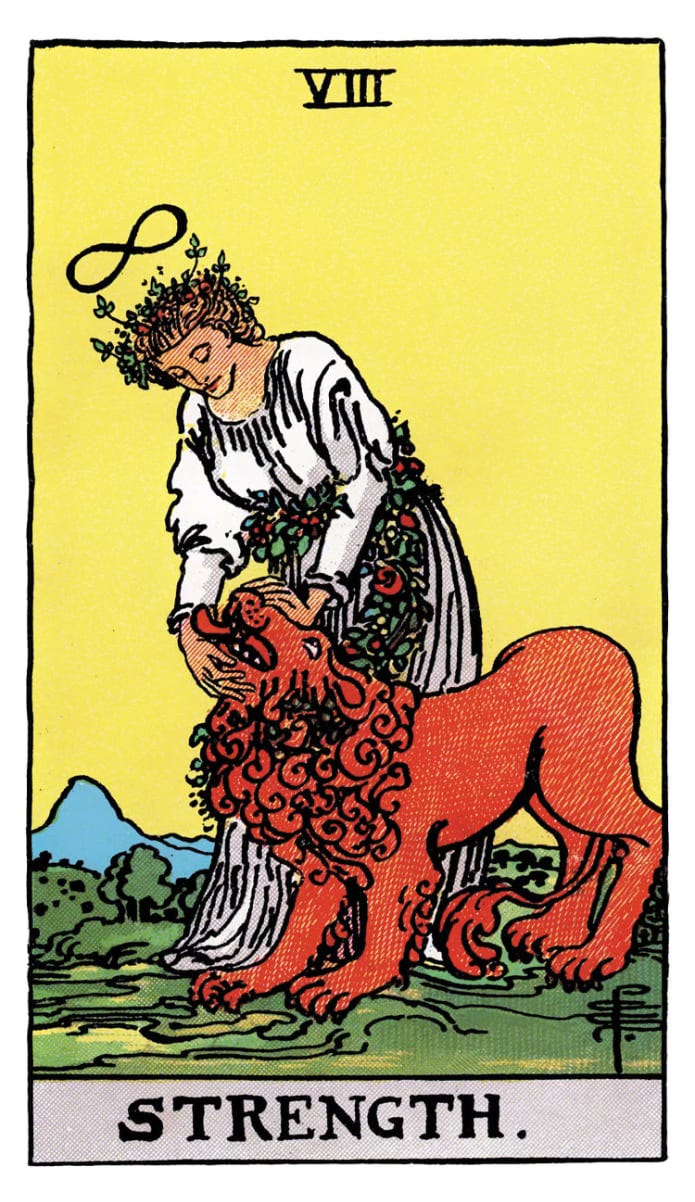
Feral empathy is a terrifying thing
If you are someone in a helping profession— or someone who identifies as a highly sensitive person, an empath, etc.— you may sense that feeling deeply is a gift of yours.
You may also be someone who does not identify with this group, or who finds themselves bored, frustrated or angry in the face of helplessness, or others’ suffering.
In either case, our untrained, feral empathy is at the heart of our reactions in the face of helplessness; a complex that drives our behaviors in ways we may not consciously recognize.
We either feel so deeply we find it overwhelming, and engage in strategies to manage it— or we are so unwilling or unable to allow that feral empathy to surface that we will do almost anything not to feel it, using strategies of avoidance.
Helplessness, for many of us, can feel like terror. We may not have had a stable or safe-enough caregiver, or we may have been raised in a system or environment that was actively hostile to our identity. As tiny humans, if we do not have adequate external support, we will learn to disconnect from dangerous emotions (dissociation, for example), or to create strategies that allow us to survive the situation that causes them (like problem-solving, caretaking, or trying to control the environment). Perhaps we were told we were “too sensitive,” and we learned to close down that part of ourselves in order to be accepted. This doesn’t mean that we don’t feel deeply— in fact, the opposite is true— but that our empathy has had to go underground.
So it is that as adults, feeling helpless will constellate allllllll the survival strategies— while our feral empathy yowls and scratches at the door, outsized, untrained, and shredding our nerves with its needs.
We feel truly helpless because we cannot tolerate our own empathy
Let’s consider another situation where you might experience helplessness— someone tells you about their depression, or grief, or terminal illness. Do you feel pressure to “fix it” for them by offering suggestions? Do you feel you need to take responsibility for them or their experience? Is there a desperate need to change the subject, or are you praying someone else will walk up and save you from this interaction?
If you’re a helping professional, do you find yourself working harder than your client to fix their problems? Do you notice a need to be the authority who can provide answers? Do you get frustrated, or blame them for not following your suggestions in the first place? Do you blame, or shame yourself, for not being able to help them?
If you relate to any of these strategies, can you see how they may be protecting you from the pain of your own helplessness, or the terror of your own untrained empathy? Can you feel how exhausting it is to have to work so hard to manage that feeling?
That day, in the terminal, I felt the unbearable pain of the bird’s suffering. I felt that I was being torn to pieces. But in a way, this was a gift. The undeniable, factual, helplessness of the situation— there was literally nothing logistically to be done— there was no responsibility for me to take— left me with only my empathy to work with.
So I sat down, and I prayed1 for the bird:
May it have happiness.
May it be free from suffering.
May this suffering be meaningful.
May this suffering transform me.
As I repeated these words, and rested my mind with the emotion of helpless empathy, I felt space open around the pain. It became tolerable; workable. I felt my experience shifting. By the time I got on the plane, I didn’t experience less empathy for that bird; it had become more skillful, and functional.
In last week’s post on ton glen, I shared a practice that uses imagination to change our own perception of a situation (and, in doing so, to change reality itself). Similarly, in this practice of loving-kindness and compassion, I was transforming suffering into peace. I’m making a chaotic, painful situation meaningful.
Still, I know that in our materialistic2, rational culture, this all might feel like a massive waste of time. That bird was gonna die anyway, you might think. That’s a bunch of spiritual bypassing. I hear you, and my own skeptical heart can relate. So, from this point of view, let me say it this way:
This type of prayer, or meditation, is a means of training our own non-reactivity, openness, and authentic connection to others, even when their suffering is bigger than both of us. While the bird may not know that I’m offering it unconditional support, this skill is something that we can offer to all beings in our lives. Even if we are only decreasing our own suffering, we are decreasing the total suffering in the world.
Many years ago, I heard an interview with Matthew Sanford, in which he said, “I’m not afraid of my suffering. It’s what allows me to be with others without needing to fix them.” Perhaps you can recall a time when you were with someone who was able to accept you, and your own suffering, without “needing to fix” it. If so, then you’ve felt how this kind of presence is in itself a potent source of relief.
Our feral empathy exhausts us, leading to compassion fatigue and burnout. Like a forgotten Bluetooth device always seeking connection, it drains our battery. And the strategies we use to mask or avoid this feeling are endlessly exhausting; after all, we’re fighting our own nature.
Trained empathy, on the other hand, is enlivening. It connects us to our authentic selves— we are meant to love others— and it is completely effortless. There’s nothing special to do, nobody special to be; we can simply offer ourselves, and our empathetic presence. This is profoundly healing.
Another common misconception is the idea that Buddhists don’t pray. We definitely do pray. It’s nontheistic, but it’s certainly prayer. And we may even ask the Buddhas and bodhisattvas to intercede— understanding that they are not separate from our own essential nature.
materialism /mə-tîr′ē-ə-lĭz″əm/. noun. The theory that physical matter is the only reality and that everything, including thought, feeling, mind, and will, can be explained in terms of matter and physical phenomena.
Laura, so beautifully captured in compassionate vulnerability. Such a metaphor: a small bird inside the vastness of the airport, crashing against invisible panes of glass over and over. While the birds outside cry, hearing the struggle to find freedom.